Zimbabwe has entered a new political chapter after President Emmerson Mnangagwa signed constitutional amendments extending both presidential and parliamentary terms from five years to seven. The changes, which came into effect on 7 July 2026, mean the country’s next general elections will be delayed, allowing Mnangagwa to remain in office until 2030.
The constitutional amendments also introduce another significant change by replacing direct presidential elections with a parliamentary voting system for future presidents. Since the ruling ZANU-PF party holds a large majority in Parliament, critics believe the move could strengthen the party’s grip on power for years to come.
The developments have sparked mixed reactions across Zimbabwe, with many citizens expressing frustration about the country’s political direction while continuing to battle severe economic challenges.
For many Zimbabweans, the announcement did not come as a surprise. Some believe the country’s political landscape has become increasingly predictable, particularly after opposition parties struggled to maintain influence.
At the same time, everyday life remains difficult for millions of people. Formal employment opportunities are limited, forcing many citizens to earn a living through informal trading. Across Harare and other major cities, street vendors sell fruit, vegetables, clothing and second-hand goods as families search for ways to survive.
The rising cost of living has added to the pressure. Fuel price increases have pushed transport costs higher, while the prices of food and essential household goods continue to climb. Many households are reportedly relying on borrowed money just to meet their daily needs.
Young people are among those hardest hit by the economic crisis. High unemployment has left many without opportunities, leading some to seek income through gambling while others struggle with drug abuse. Community leaders have also raised concerns about the emotional toll of unemployment, with reports linking financial hardship to growing mental health challenges.
Many Zimbabweans say the government’s priority should be addressing unemployment, poverty and inflation rather than making constitutional changes. Some fear reducing the public’s ability to directly elect a president weakens democratic accountability and leaves ordinary citizens with less influence over the country’s future.
Despite these concerns, many residents remain hopeful that Zimbabwe can recover if meaningful economic reforms, investment and job creation become national priorities. However, there is also widespread concern that without significant improvements, more citizens will continue leaving the country in search of better opportunities.
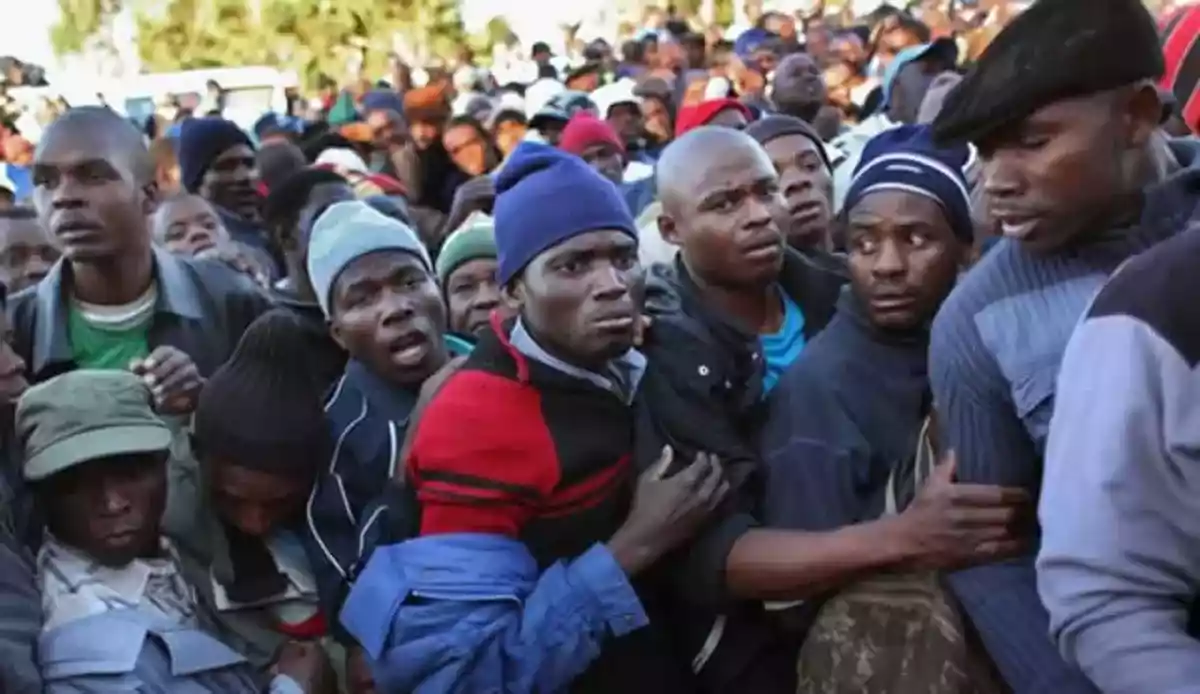
South Africa is already feeling the effects of Zimbabwe’s ongoing economic struggles. Thousands of Zimbabweans have crossed the Beitbridge border in recent weeks following anti-immigration protests and increased pressure on undocumented foreign nationals living in South Africa.
Analysts believe many of those returning to Zimbabwe could eventually attempt to re-enter South Africa if conditions at home fail to improve. This places additional pressure on South Africa’s border management, public services and local communities that are already facing unemployment and service delivery challenges.
Zimbabwe’s constitutional amendments are expected to remain a major topic of debate both domestically and across Southern Africa. Supporters argue the changes could provide political stability, while critics fear they may weaken democratic participation and delay much-needed reforms.
As the country moves toward 2030, many Zimbabweans will be watching closely to see whether the extended leadership period brings economic recovery and improved living conditions or whether the hardships driving migration and public frustration continue to deepen.
About the Author