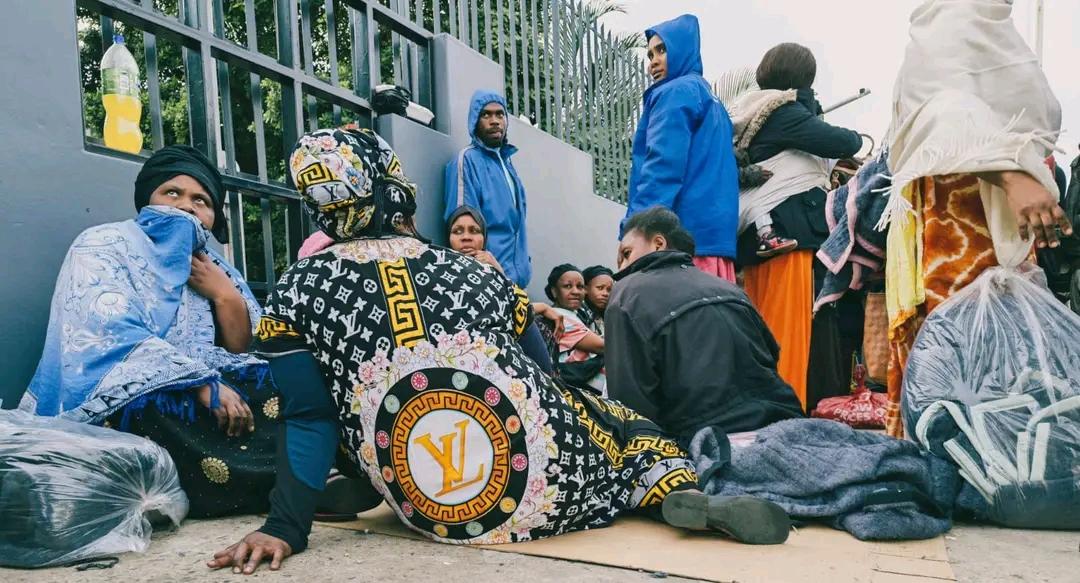
A group of foreign nationals and refugees spent the night outside the Diakonia Centre in Durban’s Central Business District after violent tensions erupted between migrants, police, and anti-immigration groups in KwaZulu-Natal. The situation has sparked widespread debate across South Africa, with many citizens expressing frustration over illegal immigration while others raised concerns about the safety and treatment of vulnerable people.
The unrest reportedly began on Tuesday, 19 May 2026, when scores of foreign nationals gathered outside the Durban Central Police Station seeking protection. According to reports, many claimed they had been threatened and chased out of the communities where they lived by anti-immigration groups operating in parts of Durban.
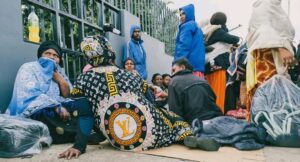
Police were called to manage the situation as tensions escalated outside the station. Following the clashes, many of the migrants moved to the nearby Diakonia Centre, a well-known hub for social justice organisations and community support groups in the city. With nowhere else to go, dozens of people, including women and children, slept outside the building overnight.
Jean Butoki from the Southern Africa Refugee Organisation Forum addressed the media and described the conditions faced by those seeking shelter as extremely difficult. She explained that many had fled their homes with nothing and were forced to sleep on the ground without blankets or proper assistance.

According to Butoki, the group felt they had no safe place to turn to. She stated that many refugees feared returning to the communities they had fled because they believed their lives were at risk. Despite the hardships, she said they remained determined to seek protection and support.
The organisation also revealed plans to approach the United Nations for assistance. Butoki said they hoped the international body would intervene and help find a long-term solution to the refugee crisis in South Africa. She added that they believed the UN was aware of the situation and would engage with local authorities.
The developments quickly drew strong reactions on social media, where many South Africans shared mixed opinions about the ongoing tensions. While some users expressed sympathy for the conditions faced by the migrants, many others argued that foreign nationals should return to their home countries instead of seeking protection in South Africa.
Some social media users questioned why migrants remained in South Africa despite claiming that conditions were unsafe, while others called on government departments to identify and arrest undocumented immigrants. Several people also argued that South Africans themselves were struggling with unemployment, crime, and poverty and felt the government should prioritise citizens first.
The issue of immigration continues to divide public opinion in South Africa, especially as economic pressures and unemployment remain major concerns. Anti-immigration protests have increased in several communities over recent years, with some groups accusing undocumented foreigners of contributing to crime and taking business opportunities from locals.
Meanwhile, the Ghanaian government has reportedly begun preparing evacuation plans for its citizens living in South Africa amid growing fears of anti-immigrant violence. The move has once again placed the spotlight on the country’s ongoing immigration challenges and the urgent need for solutions that balance national security, human rights, and social stability.
About the Author