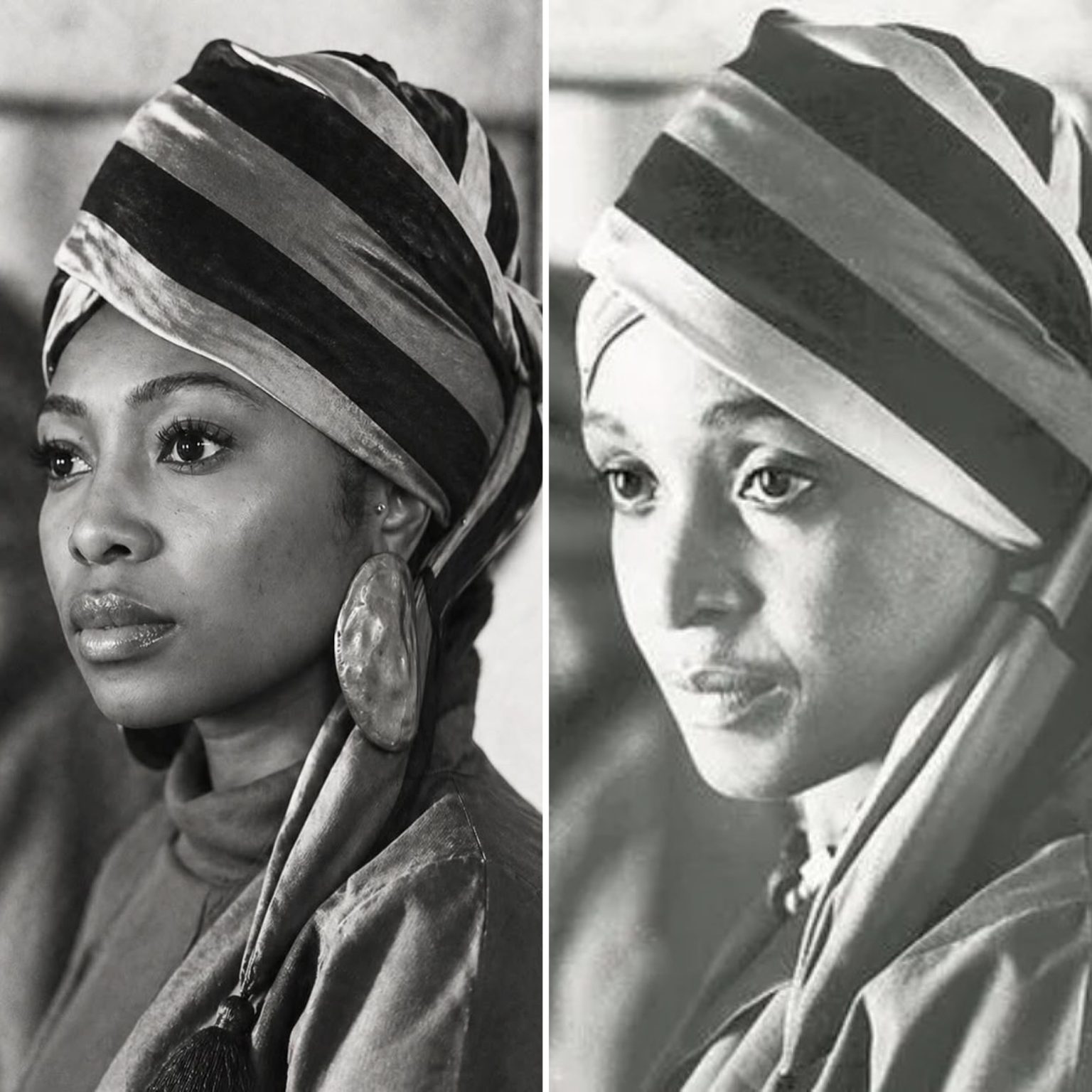
South African actress Enhle Mbali Mlotshwa has found herself at the centre of a heated online debate after recreating a well-known image of anti-apartheid icon Winnie Madikizela-Mandela. What may have been intended as a tribute quickly sparked widespread discussion across social media, with opinions sharply divided over whether the gesture honoured or diminished the legacy of one of South Africa’s most influential figures.
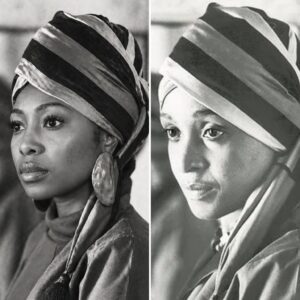
The recreated photograph, inspired by one of Winnie Madikizela-Mandela’s most recognisable portraits, quickly gained traction online. However, instead of being met with admiration, it triggered a wave of criticism—particularly on X, where users voiced strong opinions about the meaning behind the image and the intent of its recreation.
Social Media Criticism Gains Momentum
A significant number of social media users argued that Winnie Madikizela-Mandela’s legacy cannot be captured through visual imitation alone. For many, her importance lies not just in her public image, but in her unwavering activism, resilience, and sacrifices during South Africa’s struggle against apartheid.
https://x.com/i/status/2049569627252904102
Critics expressed concern that recreating such an image risks reducing her powerful legacy to mere aesthetics. Some comments suggested that embodying Winnie Mandela’s spirit requires more than visual tribute—it demands a reflection of her courage, leadership, and commitment to justice.
One user remarked that true admiration for Winnie Mandela should be demonstrated through actions and values rather than recreating photographs. Another echoed similar sentiments, stating that while Enhle Mbali is respected as an actress, the recreation felt unnecessary and missed the deeper significance associated with the original image.
These reactions highlight a broader concern about how historical figures are represented in modern culture, especially when their contributions extend far beyond what can be symbolised in a single photograph.
### Supporters Defend the Tribute
Despite the backlash, not all reactions were negative. Some social media users came to Enhle Mbali’s defense, arguing that creative expression often involves drawing inspiration from historical icons. From this perspective, the recreation was seen not as an act of imitation, but as a tribute meant to honour Winnie Madikizela-Mandela’s enduring influence.
Supporters also pointed out that public figures frequently pay homage to those who came before them, using art, fashion, and photography to keep important legacies alive. They argued that such acts can reignite public interest and encourage younger generations to learn more about influential figures in South African history.
For these users, the conversation sparked by the image—whether positive or negative—was itself valuable, as it brought renewed attention to Winnie Mandela’s life and contributions.
### A Legacy That Transcends Imagery
Winnie Madikizela-Mandela remains one of South Africa’s most complex and powerful historical figures. Known for her fearless stance against apartheid and her role in the liberation movement, she continues to inspire discussions about leadership, resistance, and social justice.
The controversy surrounding Enhle Mbali’s post underscores an ongoing tension in how society engages with historical legacies. It raises important questions about where the line should be drawn between tribute and appropriation, and how public figures can respectfully honour those who shaped history.
Ultimately, the debate reflects a deeper truth: Winnie Madikizela-Mandela’s legacy cannot be confined to a single image. It lives on through her actions, her influence, and the lasting impact she has had on South Africa’s journey toward freedom.
About the Author