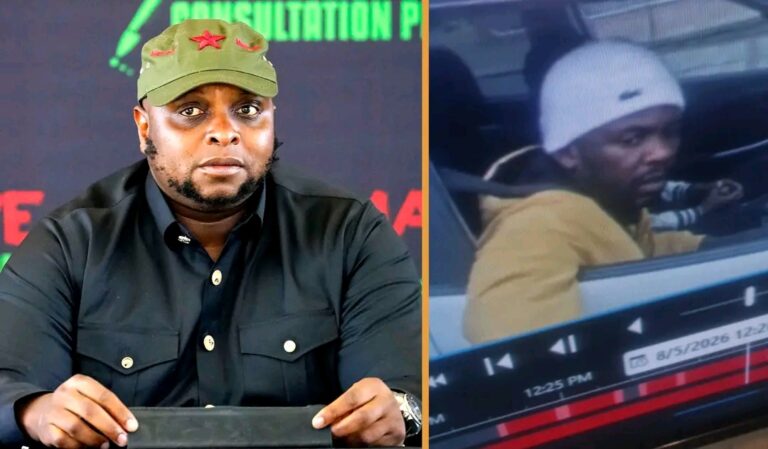
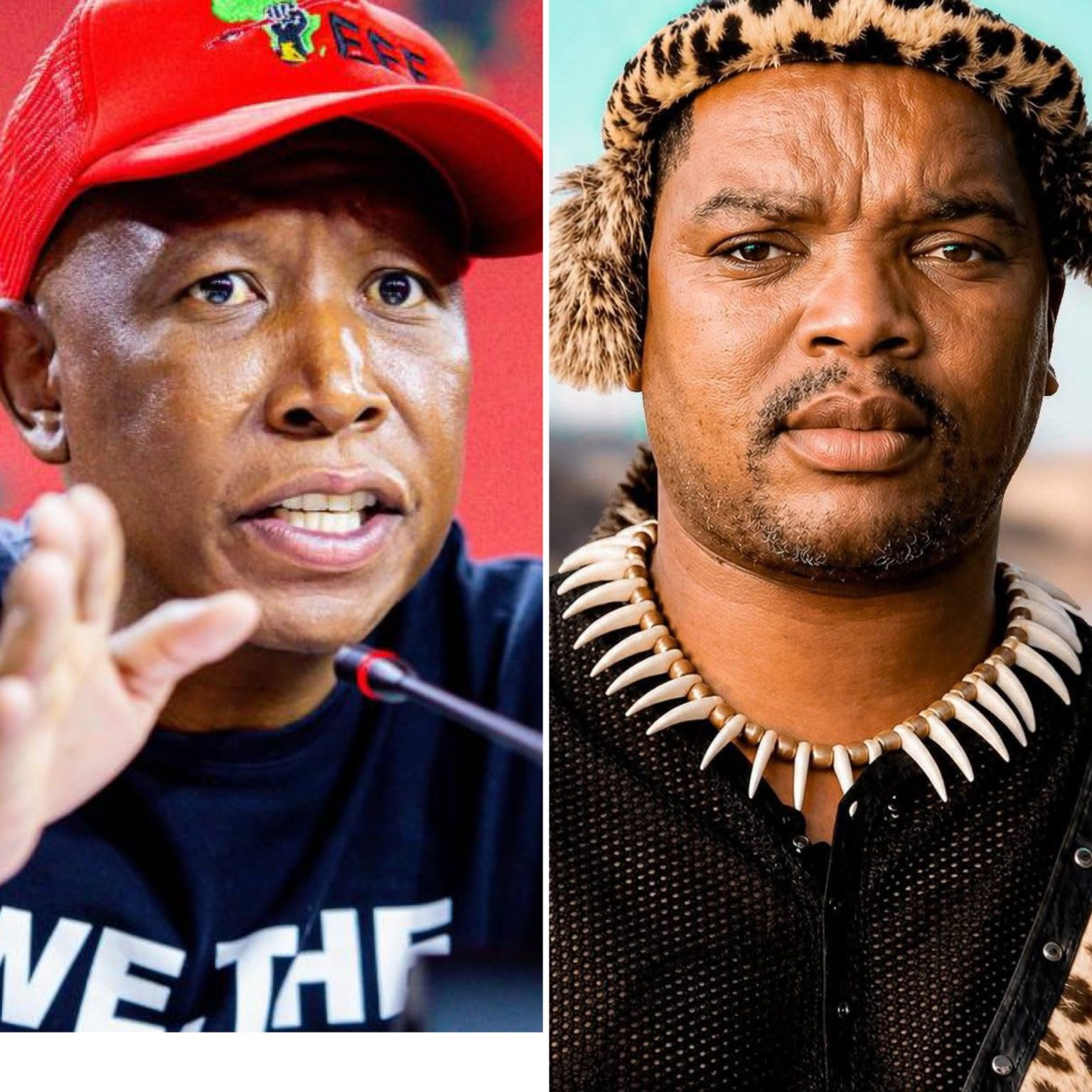
Economic Freedom Fighters (EFF) leader Julius Malema has taken legal action against controversial figure Ngizwe Mchunu, demanding a public apology and R1 million in damages following what he describes as defamatory allegations.
According to reports, Malema’s legal team has issued a formal letter to Mchunu, accusing him of making false and damaging claims that the outspoken politician received as much as R60 million from Nigerian nationals. The alleged payments, Mchunu reportedly suggested, were in exchange for Malema’s public defense of foreign nationals living in South Africa.
Malema has strongly denied these accusations, insisting that they are entirely baseless and harmful to his reputation. His lawyers argue that the claims not only misrepresent his political stance but also undermine his credibility as a public figure and leader of a major political party.
In the legal letter, Mchunu has been given a strict 24-hour deadline to retract his statements and issue a public apology. In addition to the apology, Malema is demanding financial compensation amounting to R1 million for damages caused by the alleged defamation. Failure to comply with these demands, the letter warns, will result in the matter being escalated to court.
The dispute appears to stem from Mchunu’s public remarks, in which he allegedly questioned Malema’s motives regarding his views on immigration and foreign nationals. Mchunu suggested that Malema’s position may have been influenced by financial incentives rather than genuine political principles — an assertion that has sparked significant controversy.
Malema’s legal representatives maintain that such allegations are not only false but also reckless, particularly given the sensitive nature of immigration debates in South Africa. They emphasize that spreading unverified claims about financial misconduct can have serious consequences, especially for individuals in prominent political roles.
If the matter proceeds to court, it could develop into a high-profile legal battle, drawing national attention. Legal experts note that defamation cases involving public figures often hinge on whether the statements in question can be proven true or were made with malicious intent.
Meanwhile, the situation has already ignited widespread debate on social media and within political circles, with supporters on both sides weighing in. Some have called for accountability and responsible public discourse, while others view the legal action as a necessary step to protect personal and political integrity.
As the 24-hour deadline looms, all eyes remain on Mchunu’s next move. Whether he chooses to comply with the demands or challenge them in court will likely determine the direction this dispute takes.
This unfolding situation highlights the growing tensions surrounding political rhetoric, immigration, and public accountability in South Africa — issues that continue to shape the country’s socio-political landscape.
About the Author